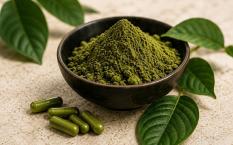

Long before kratom became a wellness trend elsewhere in the world, it was already woven into daily life across Southeast Asia. Understanding that history helps explain why the plant is treated with as much respect as curiosity today.
Roots in the Rainforest
Kratom (Mitragyna speciosa) is native to the tropical forests of Thailand, Malaysia, Indonesia, and Papua New Guinea. Farmers and laborers in these regions have chewed fresh kratom leaves for generations, often as part of the physical demands of agricultural work.
A Tradition of Practical Use
Historically, kratom leaves were chewed fresh, brewed into a bitter tea, or dried and ground into powder. It was shared at community gatherings and passed down through informal, generational knowledge rather than formal medicine — a tradition rooted in practicality as much as culture.
Indonesia's Role as the World's Largest Source
Today, Indonesia — particularly the Kalimantan region of Borneo — supplies the majority of the world's kratom. Small farms harvest leaves by hand, and the region's climate and soil conditions are part of what give Indonesian-grown kratom its recognizable character.
From Regional Staple to Global Interest
As kratom's reputation spread beyond Southeast Asia over the past two decades, it moved from a specific regional practice into an international wellness market — while the farming communities who first understood the plant remain central to how it's grown and harvested today.
“Kratom's story didn't start with wellness trends — it started with farmers who understood the plant long before anyone else was paying attention.”
Why Sourcing Still Matters
That history is part of why sourcing matters so much today. Ethical, transparent relationships with the farms and regions kratom comes from aren't a marketing detail — they're a continuation of the same respect the plant has always been given.
Curious how we source ours? Read about our story or our sustainability standards.